
Digital Marketing · November 5, 2024
How to Analyze Your Performance Marketing Data to Shape Your 2025 Strategy
In digital marketing, performance marketing can help one secure tangible results. In order to remain competitive in 2025, performance marketing data needs to be analyzed.
By Digital Squad

In digital marketing, performance marketing can help one secure tangible results. In order to remain competitive in 2025, performance marketing data needs to be analyzed so that the optimization of campaigns will be done using a fine-tuned strategy. By data analysis, returns are maximized, costs are minimized, and a data-driven decision is made.
This article will guide you through why you should analyze marketing data, which key metrics to track, what tools can help you do that, and steps toward building a solid performance marketing strategy for 2025.
Why Analyzing Performance Marketing Data Matters
Understanding performance marketing data is also very important for any campaign. Data helps point out areas that are performing well and need improvement. Unless analyzed correctly, you end up wasting money on non-appreciated strategies.
Key Benefits of Data Analysis
- Optimize budget allocation: Channel choices that are likely to give the highest return.
- Improve conversion rates: Identify the good-performing tactics and transfer these to other campaigns.
- Minimize customer acquisition cost: Detailed targeting and strategy to reduce costs.
- Maximizing return on ad spend: Identify the highest returns and scale up those campaigns.
You can also partner with a digital performance marketing agency in order to streamline the analytics process while ensuring you use your insights to the fullest.
Key Metrics to Track in Performance Marketing
Tracking the right metrics is key to understanding campaign performance. Here are the most critical ones:
1. Conversion Rate
Reflects the number of users making a desirable conversion action, like a purchase. A very important metric to understand is whether campaigns are doing well at converting visitors into customers.
- Techniques for Improving Conversion Rates:
- Carry out an A/B testing on landing pages and CTAs.
- Tailor consumer experiences based on behavior or demographics.
- Retarget them with retargeting ads.
2. Customer Acquisition Cost (CAC)
CAC helps you realize the amount of money you have to spend in order to get a new customer. A high CAC would mean that your marketing strategy has inefficiencies while a lower one shows how cost-effective the acquisition method is.
Ways to Reduce CAC:
- Prioritize high-performing marketing channels.
- Automate lead nurturing processes to convert prospects much faster.
- Collaborate with a performance marketing agency to refine strategies and reduce waste.
3. Return on Ad Spend (ROAS)
ROAS simply stands for revenue per dollar spent on advertisements. It measures this money to help you understand the profitability of your campaigns.
How to Boost ROAS:
- Focus budget on high-performing campaigns.
- Test different ad creatives and messaging to optimize engagement.
- Use retargeting to convert users who have shown interest but haven’t made a purchase.
4. Click-Through Rate (CTR)
CTR measures the percentage of people who click on your ads. The higher the CTR is, the more relevant and interesting your ads appear to your target audience.
Ways to Increase CTR:
- Craft compelling ad copy and CTAs.
- Tailor ads to specific audience segments.
- Test various formats and visuals to find the most effective combination.
By tracking these metrics, you’ll gain deeper insights into campaign performance and be able to optimize your marketing efforts more effectively.
Essential Tools for Analyzing Performance Marketing Data
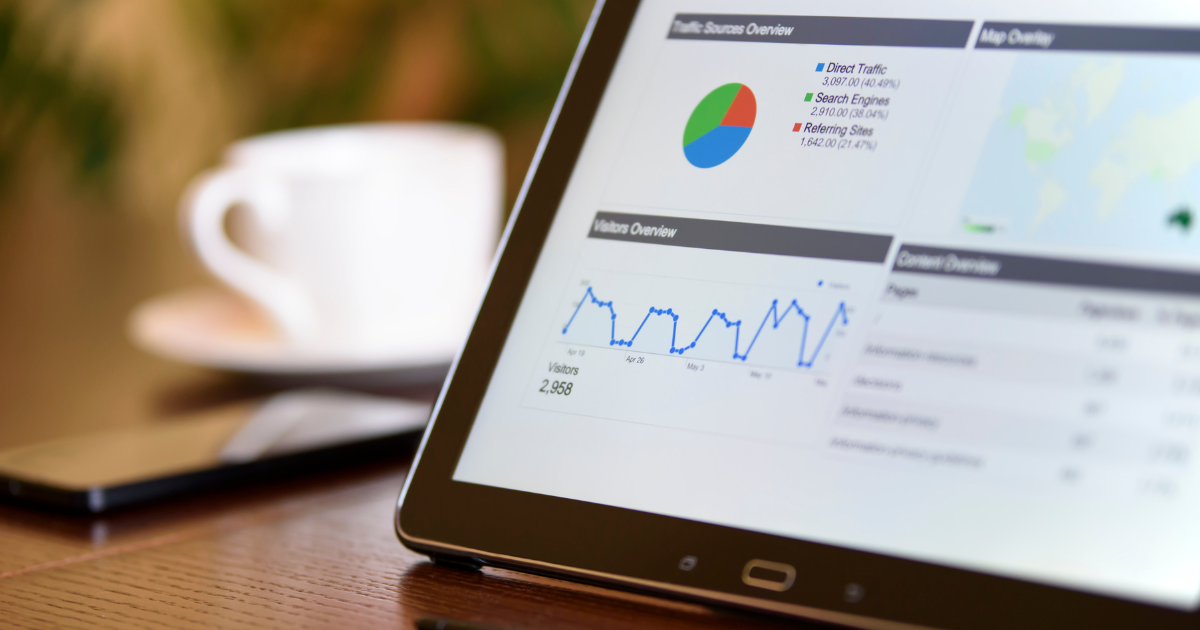
To effectively analyze performance marketing data, using the right tools is critical. Here are some must-have tools:
1. Google Analytics
Google Analytics gives insights into how much website traffic there is and what kind of conversions or different behaviors the users have. It also gives an overview of how your audience interacts with your website.
2. Google Data Studio
Google Data Studio enables you to develop custom dashboards and reports, which helps you visualize key performance data across all your campaigns.
3. Ad Platforms (Google Ads, Facebook Ads Manager)
Analytics capabilities in Google Ads and Facebook Ads Manager are naturally integrated with each platform, which allows you to track campaign metrics, such as CTR, conversions, and ROAS, in real time.
4. Marketing Automation Tools
HubSpot, ActiveCampaign, and others can help track leads, manage an email campaign, and churn out very detailed reports that help a user track the customer journey as well as improve marketing strategy.
These tools help you to analyze the data efficiently and effectively while making it possible for you to make data-driven decisions that can improve the campaign’s performance.
Steps to Shape Your 2025 Data-Driven Performance Marketing Strategy
If you want your 2025 performance marketing strategy to be a success, follow these steps:
1. Set Clear Goals and KPIs
First things first—figure out what success looks like for your business. Is it lowering your Customer Acquisition Costs (CAC)? Maybe it’s increasing conversion rates or improving your Return on Ad Spend (ROAS). Whatever it is, make sure you set goals that you can measure and track. Then, get your team on the same page so everyone knows what they’re aiming for.
2. Leverage Data for Decision-Making
Your performance marketing data is more than a set of numbers; it is telling you a story of what works and doesn’t. Don’t wait till the end of the campaign to look at it. Keep checking in all the way through, using that data to tweak targeting, creatives, and budget along the way. In that way, you are always optimizing, not merely reacting.
3. Test and Optimize Continuously
Here’s the thing—you can’t just “set it and forget it.” You’ve got to keep testing. Run A/B tests on your ads, try different CTAs, and experiment with new audience segments. The more you test and optimize, the better your campaigns will perform. It’s a never-ending cycle, but one that keeps you improving.
4. Stay Updated on Trends
Marketing moves really fast. If you keep abreast of things like AI tools or omnichannel marketing, you will absolutely be ahead of the curve. You definitely don’t want to be the last one jumping on new strategies. So, just keep being curious and always looking for new ways to elevate your campaigns.
5. Partner with a Performance Marketing Agency in Singapore
Let’s face it—managing everything yourself can get overwhelming. That’s where working with a performance marketing agency can help. They bring expertise, help you make sense of your data, and ensure you’re getting the best out of your campaigns. If your focus is regional, a performance marketing agency in Singapore might be just what you need for that local touch.
Transform Data Insights into a Winning 2025 Marketing Strategy
Analyzing the performance marketing data and tracking important KPIs such as conversion rate, CAC, and ROAS metrics will help you create your strategy for 2025. If you want better performance, use proper tools combined with a data-driven approach or get the best possible results by working with a performance marketing agency in Singapore.
Through the focus on constant improvement, experimentation, and staying on top of emerging trends, your performance marketing strategy will continue to be powerful and flexible in an increasingly changing digital environment.